
Corpus Christi Slip and Fall Lawyer: Your Complete Guide to Filing a Claim
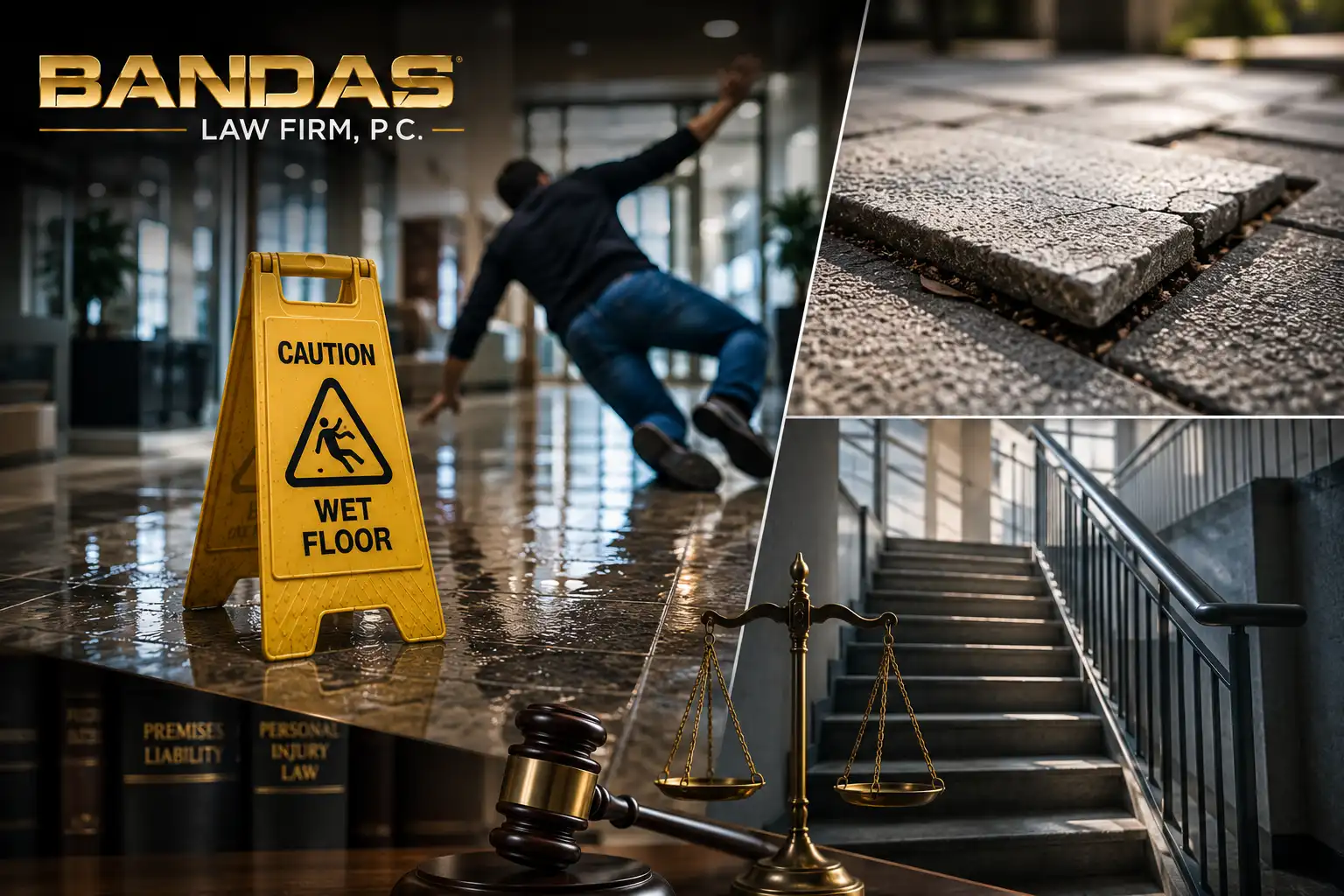
A slip and fall accident can happen in the blink of an eye, but the injuries, medical bills, and missed paychecks that follow can affect a family for months or even years. If you were hurt because a business or property owner failed to keep their premises reasonably safe, a Corpus Christi personal injury lawyer can help you understand your legal options and fight for the compensation you need to recover.
This guide covers what injured victims throughout Corpus Christi and the Coastal Bend should know, including the leading causes of falls, how Texas premises liability law works, what a claim may be worth, and the steps to take immediately after an accident.
Why You Need a Corpus Christi Slip and Fall Lawyer
Property owners and their insurance carriers rarely make it easy for injured victims to recover fair compensation. Insurance adjusters are trained to minimize payouts, question the severity of injuries, and shift blame onto the injured person whenever possible.
A knowledgeable Corpus Christi slip and fall lawyer levels the playing field by investigating the accident scene, collecting surveillance footage and maintenance logs, consulting with medical and safety experts, and negotiating firmly on your behalf.
Because insurance companies have teams of adjusters and defense attorneys working to protect their bottom line, injured victims who try to handle a claim alone are often offered far less than their case is truly worth. Most premises liability attorneys handle these cases on a contingency fee basis, which means you pay nothing upfront and owe no attorney’s fee unless your case results in a settlement or a favorable verdict.
Slip and Fall Accidents by the Numbers
Slip and fall accidents are among the most frequent causes of accidental injury in the United States, and Corpus Christi is no exception. Falls send well over a million people to hospital emergency rooms nationwide every year, and a significant share of those incidents happen on commercial or residential property where a hazard should have been repaired, cleaned up, or clearly marked.
Safety researchers have spent decades studying why these accidents happen so that property owners can prevent them, and their findings are also useful to injured victims seeking to understand whether negligence played a role in their own fall. The chart below breaks down some of the most frequently cited causes of slip-and-fall accidents.

Figure 1: Commonly cited causes of slip and fall accidents in commercial and residential settings.
Each of these hazards points to a property owner’s failure to inspect, maintain, or warn about a dangerous condition:
- Wet or Slippery Floors: Spilled liquids, recently mopped floors, tracked-in rainwater, and leaking refrigeration units are among the most common triggers for a fall, especially when no warning sign is posted.
- Uneven or Damaged Surfaces: Cracked sidewalks, potholes in parking lots, torn carpeting, and unmarked steps create tripping hazards that a reasonable inspection should catch.
- Poor Lighting: Dim stairwells, burned-out exterior lights, and poorly lit parking garages make it difficult for visitors to see hazards in their path.
- Cluttered Walkways: Merchandise, cords, boxes, and equipment left in aisles or hallways are a frequent cause of falls in retail and workplace settings.
- Loose Mats or Flooring: Curled floor mats, loose tiles, and unsecured rugs can slide or catch a foot without warning.
Where These Accidents Most Often Happen in Corpus Christi
Because Corpus Christi is a coastal city with a busy mix of grocery stores, restaurants, tourist attractions, and apartment communities, slip-and-fall accidents can occur almost anywhere. Local grocery and retail stores, restaurants and bars near the bayfront and Ocean Drive, sidewalks and parking lots downtown, and apartment complexes throughout the city are all common settings for these accidents.
The chart below shows the types of locations where slip-and-fall injuries are most frequently reported.

Figure 2: Common settings where slip and fall accidents are most frequently reported.
- Retail and Grocery Stores: Spills in produce sections, freshly waxed floors, and cluttered stockroom aisles make retail environments a leading source of premises liability claims.
- Sidewalks and Parking Lots: Cracked pavement, potholes, and poor drainage after Gulf Coast storms can turn a simple walk to your car into a serious accident.
- Workplaces: Warehouses, offices, and job sites can present spill, clutter, and flooring hazards that lead to work-related falls.
- Restaurants: Grease on kitchen and dining floors, wet entryways, and poorly maintained patios are common culprits in restaurant slip-and-fall cases.
- Private Residences: Rental properties, apartment complexes, and short-term vacation rentals near the beach can also be sites of preventable falls when landlords neglect basic maintenance.
Texas Premises Liability Law: What You Need to Know
Texas law requires property owners and occupiers to maintain their premises in a reasonably safe condition for the people who are lawfully present. When an owner or manager knows about a dangerous condition, or reasonably should have discovered it through routine inspection, and fails to fix it or warn visitors, they can be held legally responsible for any resulting injuries.
However, premises liability cases are rarely simple, and Texas law applies different standards depending on the visitor’s legal status and the nature of the hazard.
The Three Legal Statuses of a Visitor
Texas recognizes three categories of visitors, and the category that applies to you can significantly affect your claim:
- Invitee: Someone invited onto the property for business purposes, such as a customer in a store. Property owners owe invitees the highest duty of care, including a duty to inspect for hidden hazards.
- Licensee: Someone allowed on the property for their own purposes, such as a social guest. Owners must warn licensees of known dangers but generally do not have to inspect for hazards they are unaware of.
- Trespasser: Someone on the property without permission. Property owners generally owe only a limited duty to trespassers, though exceptions exist, particularly involving children.
Proving Negligence in a Slip and Fall Claim
To recover compensation, an injured victim generally must show four things: the property owner owed a legal duty of care, the owner breached that duty by failing to fix or warn about a hazard, the breach directly caused the fall, and the victim suffered real damages such as medical expenses or lost income as a result.
Proving that a property owner knew or should have known about a hazard is often the most contested part of a slip and fall case. Evidence such as maintenance logs, incident reports, surveillance video, and witness statements can help establish how long a dangerous condition existed before the accident occurred.
The Open and Obvious Danger Doctrine
Texas follows the open and obvious danger doctrine, which generally shields a property owner from liability when a hazard would have been obvious to a reasonably careful person. For example, a large, clearly visible pothole in a well-lit parking lot may be considered open and obvious, making it harder to hold the property owner liable if a visitor fails to notice and avoid it. An experienced Corpus Christi slip and fall lawyer can evaluate whether this doctrine applies to your specific situation.
Common Injuries Caused by Slip and Fall Accidents
Slip and fall accidents can cause injuries ranging from minor bruises to life-altering conditions, particularly for older adults. Common injuries include:
- Hip, wrist, and ankle fractures
- Traumatic brain injuries and concussions
- Spinal cord injuries and herniated discs
- Torn ligaments, sprains, and soft tissue injuries
- Shoulder dislocations
- Deep lacerations and severe bruising
Even injuries that seem minor at first, such as a sprained wrist or a sore back, can develop into long-term pain or require extensive physical therapy. Seeking prompt medical attention not only protects your health but also creates a documented record connecting your injuries to the accident.
What to Do After a Slip and Fall Accident in Corpus Christi
- Seek medical attention immediately, even if your injuries seem minor, since some symptoms take hours or days to appear.
- Report the accident to the property owner, manager, or landlord and request a written incident report.
- Take photos or video of the hazard that caused your fall, the surrounding area, and your visible injuries before conditions change.
- Get the names and contact information of any witnesses who saw the accident happen.
- Keep the shoes and clothing you were wearing, as they may become evidence.
- Avoid giving a recorded statement to an insurance adjuster or signing any documents until you have spoken with a lawyer.
- Contact a Corpus Christi slip-and-fall lawyer as soon as possible so evidence can be preserved before it disappears or surveillance footage is deleted.
Texas Statute of Limitations for Slip and Fall Claims
In most cases, Texas law gives injured victims two years from the date of the accident to file a personal injury lawsuit for a slip and fall claim. Missing this deadline will typically bar you from recovering compensation altogether, no matter how strong your case may be.
Claims involving government-owned property, such as a city sidewalk or a public building, often carry much shorter notice deadlines under the Texas Tort Claims Act, sometimes just a few months. Because deadlines vary depending on who owns the property where you fell, it is important to speak with a Corpus Christi slip and fall lawyer as soon as possible so critical evidence can be preserved, and any notice requirements are met on time.
Comparative Negligence: How Fault Is Shared in Texas
Texas follows a modified comparative negligence rule, which means an injured victim can still recover compensation even if they were partly responsible for their own fall, as long as their share of fault is 50 percent or less. If a jury or insurance company determines you were, for example, 20 percent at fault for not noticing a hazard, your total compensation would be reduced by that percentage.
However, if you are found to be 51 percent or more at fault, Texas law bars you from recovering any compensation at all. Insurance adjusters often try to inflate a victim’s share of fault to reduce or eliminate a payout, which is one of the main reasons injured victims benefit from having a lawyer review the evidence before accepting blame or signing any statement.
How Much Is My Corpus Christi Slip and Fall Case Worth?
Every slip-and-fall case is different, and there is no set formula for calculating a claimis value. Instead, several factors typically influence the value of a case, including:
- The cost of past and future medical treatment, including surgery, physical therapy, and medication
- Lost wages and any reduction in future earning capacity caused by the injury
- The severity and permanency of the injury, including scarring, disability, or chronic pain
- Physical pain and emotional suffering caused by the accident and recovery process
- The strength of the evidence proving the property owner’s negligence
- The amount of insurance coverage available to pay a claim
Because outcomes depend heavily on the specific facts of each case, past settlements and verdicts are not a guarantee of what any particular claim will recover. A thorough case evaluation from a Corpus Christi slip and fall lawyer is the best way to get a realistic picture of what your claim may be worth.
Frequently Asked Questions About Corpus Christi Slip and Fall Claims
Do I have a case if there were no warning signs of a wet floor?
Possibly. Texas law generally requires property owners to warn visitors about hazards they knew or should have known about. If a floor was wet and no sign, cone, or other warning was placed nearby, that can be strong evidence of negligence. However, the property owner may argue the hazard was open and obvious or that they did not have enough time to discover and address it before your fall.
What if I was partly responsible for my own fall?
You may still be able to recover compensation under Texas’s comparative negligence rule, as long as you are found to be 50 percent or less at fault. Your compensation would simply be reduced by your percentage of fault.
How long do I have to file a slip and fall lawsuit in Texas?
In most cases, you have two years from the date of the accident, though claims against government entities often require a formal notice within a much shorter window. Speaking with a lawyer promptly helps protect your right to file on time.
Will my slip-and-fall case go to trial?
Most premises liability claims settle out of court through negotiation with the property owner’s insurance company. However, if a fair settlement cannot be reached, your lawyer should be prepared to file a lawsuit and take your case to trial.
What does it cost to hire a slip and fall lawyer?
Most Corpus Christi slip and fall lawyers, including our firm, work on a contingency fee basis. This means there is no upfront cost to hire an attorney, and you only pay a fee if your lawyer successfully recovers compensation on your behalf.
Speak With a Corpus Christi Slip and Fall Lawyer Today
If you or a loved one was injured in a slip and fall accident anywhere in Corpus Christi or the surrounding Coastal Bend, you do not have to face the insurance company alone. An experienced Corpus Christi slip and fall lawyer can investigate what happened, gather the evidence needed to prove negligence, and fight for full and fair compensation for your medical bills, lost income, and pain and suffering.
Contact Bandas Law Firm today at (361) 238-2789 for a free, no-obligation case evaluation. You pay nothing upfront, and there is no fee unless we win your case.

Testimonials
Everyone was extremely helpful and nice to me overall during this tough time.
I am extremely satisfied that I went with Bandas Law Firm. Everyone was extremely helpful and nice to me overall during this tough time. I thank everyone there and I…
Rosalinda C.
Thank you Bandas Law Firm out of Corpus Christi!
I would recommend Bandas Law Firm to anyone who had an accident like I had. I was rear-ended at a stop light and was injured. Bandas Law Firm was engaged…
Robert C.
They all did a great job on my case and got me everything I asked for.
Friendly service. They all did a great job on my case and got me everything I asked for. Will recommend to friends and family for future problems that come up.…
James L.
Very pleased with my experience with the Bandas Law Firm.
Very pleased with my experience with the Bandas Law Firm. I would recommend anyone to the Bandas Law Firm. They took care of my case and made sure I was…
Amy R.
I just wish I would have called them earlier!
I was in a car accident and the couple had insurance called Empower. Their insurance was hard to get a hold of, so luckily I called Bandas Law Firm. They…
Desiree A.
Mr. Sigler and all his staff are awesome!
Mr. Sigler and all his staff are awesome! I have been a client of theirs for a few years and they have done a great job.
Jesse L.
Very pleased with Mr. Sigler’s representation in our case
Very pleased with Mr. Sigler’s representation in our case. He was fully prepared and had the facts ready for the court. The judge even commented Mr. Sigler was the most…
Gordon L.
Bandas Law Firm was there for my husband 100%.
Bandas Law Firm was there for my husband 100%.
Lupita L.
Throughout the entire process I knew they were hard at work.
Jeff and Bert both fought hard on my case. Throughout the entire process I knew they were hard at work. They took care of me and I'll never reach out…
Luke P.
Will always recommend Bandas Law Firm.
This firm is amazing.. They felt with all my needs.. Troy was truly the best throughout my whole ordeal.. thank you so very much.. Will always recommend Bandas Law Firm.
Carmen H.
Would recommend to everyone.
I was involved in a car accident, and when I called my insurance company (Geico) they couldn’t help me. So, I called the other party’s insurance company and they said…
Previous Client
Would recommend to everyone.
Great trial firm. An organized team that works a case with precision. It always pays to go with lawyers that actually work your case.
Mike G.
Would recommend to everyone.
I have had a great experience with them. I have hired them twice now and they are very good at resolving your case and getting back what you deserve.
Mandy P.
Would recommend to everyone.
I had a wonderful experience with my attorney and his staff. They were always very kind and helpful and answered all questions I had. They kept in contact with me…
Brandie E.
Would recommend to everyone.
I have worked in law firms for many years and am familiar with their practices. Bandas Law Firm exceeds expectations when it comes to taking care of their clients. They…
Donna L.
They've shown me they have patience, kindness, the strength of experience, persistence & knowledge of the law.
Working with the team at the Bandas Law Firm (Robert J. Sigler, Jan Petrus, Amber P., Deanne R., & Kelly J.) has been an enjoyable experience. Although I was a…
Dave O.
contact us
Request A Free Consultation
Fields marked with an * are required
Copyright © Bandas Law Firm, P.C. All rights reserved.